How Outbound Marketing Helps Businesses Reach New Customers

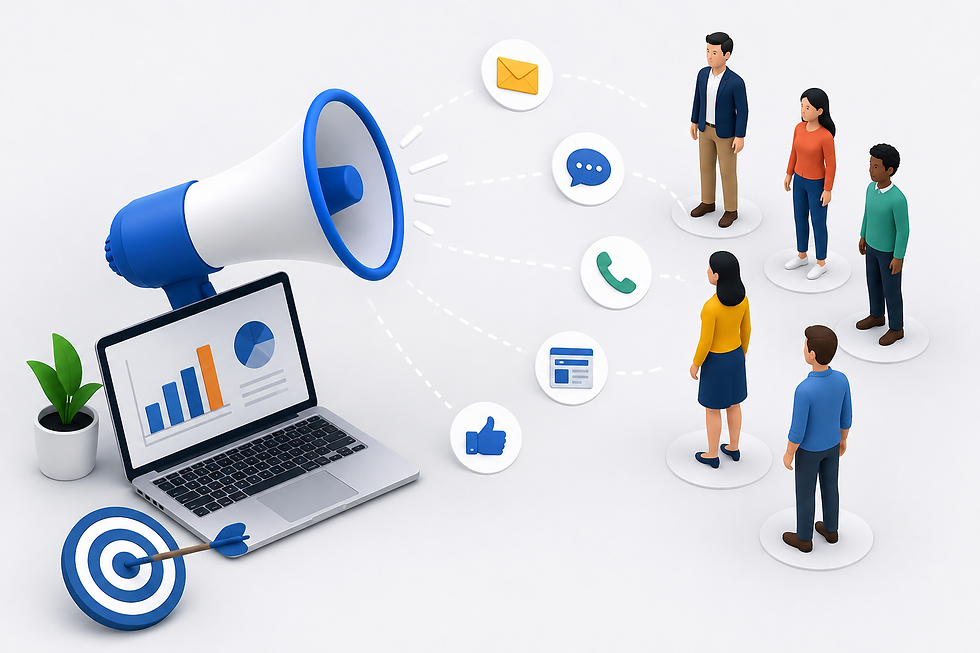
Reaching new customers is one of the biggest challenges for businesses in today's competitive market. While inbound marketing focuses on attracting people through valuable content and organic channels, outbound marketing takes a proactive approach by putting your brand directly in front of potential customers. From email campaigns and paid advertisements to cold outreach and social media promotions, outbound marketing enables businesses to connect with audiences who may not yet know about their products or services.
When executed strategically, outbound marketing accelerates brand awareness, generates qualified leads, and supports faster business growth. Many businesses work with the digital marketing companies in Vizag to create targeted outbound campaigns that deliver measurable results while complementing their long-term digital marketing strategy.
What Is Outbound Marketing?
Outbound marketing refers to promotional activities where businesses actively reach out to potential customers instead of waiting for them to find the brand.
Unlike inbound marketing, which relies on content creation and organic traffic, outbound marketing uses direct communication methods to introduce products or services to a targeted audience.
Some common outbound marketing channels include:
Email marketing campaigns
Paid search advertisements
Social media advertising
Display advertising
Cold calling
SMS marketing
Direct mail campaigns
These channels help businesses quickly expand their reach and connect with people who may be interested in their offerings.
Why Outbound Marketing Still Matters
Despite the popularity of content marketing and SEO, outbound marketing continues to play a vital role in customer acquisition.
Many consumers are exposed to hundreds of brands every day. Waiting for them to find your business organically may take time, especially for new companies.
Outbound marketing allows businesses to:
Reach audiences immediately
Generate faster leads
Increase brand visibility
Promote time-sensitive offers
Expand into new markets
When combined with inbound marketing, outbound campaigns create a balanced marketing strategy that delivers both short-term and long-term results.
Reaches Customers Beyond Organic Search
Organic traffic depends on search engine rankings, which often require months of consistent optimization.
Outbound marketing eliminates this waiting period by placing your message directly before potential customers through targeted advertisements, email campaigns, and promotional outreach.
This immediate exposure helps businesses generate awareness even before their website gains strong organic visibility.
Targets the Right Audience
Modern outbound marketing relies heavily on audience targeting.
Businesses can define audiences based on:
Location
Age
Interests
Purchasing behavior
Industry
Job title
Online activity
Precise targeting ensures marketing budgets are spent on users who are more likely to become customers.
Increases Brand Awareness
People rarely purchase from brands they have never heard of.
Outbound marketing repeatedly exposes your business to potential customers through multiple channels.
Even if someone does not make an immediate purchase, repeated exposure builds familiarity and trust, increasing the chances of future conversions.
Consistent visibility also strengthens brand recognition in competitive markets.
Generates Qualified Leads Faster
Outbound campaigns are designed to attract prospects who fit your ideal customer profile.
Well-targeted campaigns help generate qualified leads through:
Landing pages
Contact forms
Email responses
Phone inquiries
Appointment bookings
These leads can then be nurtured through email marketing and personalized follow-ups.
Supports Product Launches
Launching a new product or service requires immediate visibility.
Outbound marketing provides rapid exposure by promoting launches through paid advertisements, email announcements, and social campaigns.
Instead of waiting for organic traffic to build, businesses can immediately reach thousands of potential customers.
Complements SEO and Content Marketing
Outbound marketing does not replace SEO.
Instead, both strategies work together.
While SEO builds long-term visibility, outbound marketing drives immediate traffic.
Visitors arriving through advertisements often continue exploring the website, reading blogs, and returning later through organic search.
This combination strengthens the entire digital marketing strategy.
Improves Local Business Growth
Local businesses benefit significantly from outbound marketing.
Targeted campaigns allow companies to promote services within specific cities or regions.
For example, businesses targeting customers in Visakhapatnam can create localized advertisements, ensuring their marketing budget reaches nearby audiences most likely to convert.
This localized targeting increases both inquiries and sales.
Enhances Customer Engagement
Outbound marketing is no longer limited to one-way communication.
Interactive advertisements, personalized emails, and social media campaigns encourage users to:
Visit websites
Request information
Download resources
Register for events
Contact businesses directly
This engagement creates valuable opportunities for relationship building.
Supports B2B Marketing
Business-to-business companies often rely on outbound marketing to connect with decision-makers.
Email outreach, LinkedIn advertising, webinars, and targeted campaigns help businesses introduce their services directly to managers, executives, and purchasing teams.
This direct approach shortens the sales cycle while increasing lead quality.
Enables Measurable Results
One major advantage of digital outbound marketing is its ability to measure performance.
Businesses can monitor:
Click-through rates
Conversion rates
Cost per lead
Return on investment
Customer acquisition cost
These insights allow marketers to optimize campaigns continuously for better performance.
Personalization Improves Campaign Success
Today's consumers expect personalized communication.
Outbound marketing platforms make personalization easier by tailoring messages according to customer interests and behavior.
Examples include:
Personalized email subject lines
Dynamic advertisements
Product recommendations
Location-based promotions
Relevant messaging increases engagement while improving conversion rates.
AI Is Improving Outbound Marketing
Artificial intelligence has transformed outbound marketing by making campaigns more efficient and data-driven.
AI helps businesses:
Analyze customer behavior
Predict purchasing intent
Optimize ad targeting
Personalize messaging
Improve campaign performance
These capabilities enable marketers to reach the right audience at the right time with
greater accuracy.
Best Practices for Successful Outbound Marketing
Businesses should focus on quality rather than volume.
Successful campaigns typically include:
Clearly defined target audiences
Personalized messaging
Strong calls to action
Mobile-friendly landing pages
Continuous campaign optimization
Testing different headlines, creatives, and audience segments helps improve overall performance.
Common Outbound Marketing Mistakes
Many campaigns fail because they prioritize quantity over relevance.
Common mistakes include:
Poor audience targeting
Generic messaging
Weak landing pages
Lack of follow-up
Ignoring campaign analytics
Avoiding these issues significantly improves campaign effectiveness.
Choosing the Right Outbound Marketing Partner
Running successful outbound campaigns requires strategic planning, audience research, creative content, and continuous optimization.
Many businesses collaborate with the best digital marketing companies in Vizag to manage paid advertising, email marketing, lead generation, and campaign analytics.
Agencies such as Leadraft help businesses build targeted outbound marketing strategies that generate qualified leads while maximizing marketing investments.
Outbound marketing remains an essential part of a successful digital marketing strategy. It allows businesses to proactively reach potential customers, increase brand awareness, generate qualified leads, and accelerate business growth. When combined with SEO, content marketing, and social media efforts, outbound marketing creates multiple touchpoints that guide customers through the buying journey.
As digital marketing continues to evolve, businesses that invest in targeted, personalized, and data-driven outbound campaigns will be better positioned to attract new customers and stay ahead of the competition.
FAQs
1. What is outbound marketing?
A) Outbound marketing is a strategy where businesses proactively reach potential customers through channels such as paid advertising, email campaigns, cold outreach, SMS marketing, and display ads.
2. How does outbound marketing help attract new customers?
A) Outbound marketing places your brand directly in front of targeted audiences, increasing awareness, generating qualified leads, and encouraging potential customers to engage with your business.
3. Is outbound marketing better than inbound marketing?
A) Neither strategy is better on its own. Outbound marketing delivers faster visibility and lead generation, while inbound marketing builds long-term organic growth. Using both together produces stronger results.
4. Why should businesses work with the best digital marketing companies in Vizag for outbound marketing?
A) The best digital marketing companies in Vizag can create targeted campaigns, optimize advertising budgets, analyze performance metrics, and improve lead generation, helping businesses achieve higher returns from their outbound marketing efforts.