
Using Color Psychology to Create More Effective Marketing Campaigns

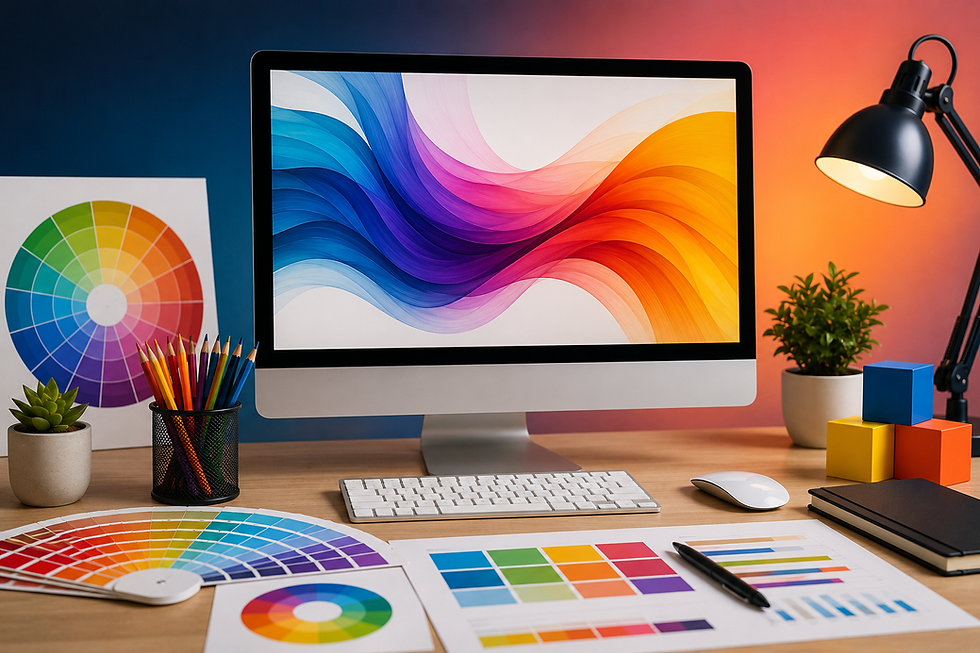
Marketing is about more than promoting products or services. It is about creating an emotional connection with customers, building trust, and influencing decisions. One of the most powerful yet often overlooked elements in this process is color psychology. The colors used in logos, advertisements, websites, packaging, and social media posts can shape how people perceive a brand and influence their actions.
Every color evokes certain emotions and associations. When used strategically, colors can strengthen brand identity, improve customer engagement, and increase conversions. Businesses investing in digital marketing services in Vizag are increasingly recognizing the importance of color psychology in creating campaigns that resonate with their target audience.
What Is Color Psychology?
Color psychology is the study of how colors influence human emotions, perceptions, and behaviors. While personal preferences and cultural differences can affect how people respond to colors, certain colors are widely associated with specific feelings.
For example:
Blue often represents trust and reliability.
Red conveys excitement, urgency, and passion.
Green symbolizes health, nature, and growth.
Yellow is linked to optimism and energy.
Black reflects sophistication and luxury.
Marketers use these emotional connections to communicate brand values and encourage specific customer actions.
Why Color Psychology Matters in Marketing
Consumers make quick judgments about brands, often within seconds of seeing a logo, website, or advertisement. Color is one of the first visual elements they notice.
The right color choices can:
Create a memorable first impression.
Increase brand recognition.
Build emotional connections.
Encourage customer engagement.
Influence purchasing decisions.
Using colors strategically helps businesses communicate their message more effectively and stand out in competitive markets.
The Impact of Colors on Customer Emotions
Every color can trigger different emotional responses. Understanding these responses allows businesses to design marketing materials that align with their goals.
Blue: Trust and Professionalism
Blue is commonly used by financial institutions, healthcare providers, and technology companies because it conveys stability, security, and reliability. It helps customers feel confident about a brand.
Red: Energy and Action
Red attracts attention quickly and creates a sense of urgency. It is often used in clearance sales, promotional offers, and call-to-action buttons because it encourages immediate action.
Green: Growth and Wellness
Green is associated with health, sustainability, and freshness. Wellness brands, organic businesses, and environmental organizations frequently use green to reinforce their values.
Yellow: Optimism and Positivity
Yellow captures attention and communicates happiness and enthusiasm. It works well for brands targeting younger audiences or promoting cheerful, energetic products.
Black: Luxury and Elegance
Luxury brands often use black to represent exclusivity, sophistication, and premium quality. It creates a sleek and timeless appearance.
Color Psychology and Brand Identity
A consistent color palette helps customers recognize and remember a brand. Many globally recognized companies are instantly identifiable because of their signature colors.
Consistency across websites, social media, advertisements, packaging, and marketing materials strengthens brand identity and creates familiarity.
When selecting brand colors, businesses should consider:
Their industry
Target audience
Brand personality
Marketing objectives
Competitor positioning
A thoughtful color strategy helps businesses communicate their values clearly.
Website Design and Color Psychology
A website is often the first interaction customers have with a business. Colors play a
significant role in shaping their experience.
Effective website color choices improve:
Readability
Navigation
User engagement
Visual appeal
Conversion rates
For example, contrasting colors for buttons make important actions such as "Contact Us" or "Buy Now" easier to notice.
Businesses offering digital marketing services in Vizag often optimize website colors to improve user experience and encourage visitors to take desired actions.
Social Media Marketing and Color
Social media platforms are highly visual. Colors help posts stand out as users scroll through their feeds.
Using consistent brand colors across social media:
Improves recognition
Strengthens branding
Creates visual consistency
Encourages engagement
Bright, appealing visuals are more likely to capture attention and increase interactions such as likes, comments, and shares.
Color Psychology in Advertising
Successful advertisements combine compelling visuals with strategic color choices.
Different campaign goals may require different color combinations:
Promotional sales often use red to create urgency.
Luxury products frequently use black and gold.
Eco-friendly brands commonly use green.
Healthcare campaigns often feature blue and white for trust and cleanliness.
Matching colors with campaign objectives increases their effectiveness.
Packaging and Product Presentation
Product packaging strongly influences buying decisions.
Even before customers read product descriptions, they notice packaging colors that communicate quality and purpose.
Examples include:
Natural products using green and earthy tones.
Children's products using bright, playful colors.
Premium products featuring black, silver, or gold.
Well-designed packaging strengthens customer perceptions and improves shelf appeal.
Cultural Considerations in Color Psychology
Although many color associations are universal, cultural meanings can vary.
For example:
White symbolizes purity in many Western cultures but may represent mourning in some Asian traditions.
Red signifies celebration and prosperity in several Asian countries while indicating
urgency or danger in other regions.
Businesses targeting international audiences should research cultural preferences before finalizing marketing materials.
Using Color to Improve Conversions
Color choices can directly influence conversion rates.
Businesses often test different button colors, backgrounds, and layouts to determine which combinations generate the best results.
Examples include:
Bright call-to-action buttons.
Contrasting colors for important information.
Simple color palettes that reduce distractions.
A/B testing helps marketers identify the most effective designs based on customer behavior.
Combining Color Psychology with Digital Marketing
Color psychology works best when integrated into an overall digital marketing strategy.
Businesses can apply consistent color principles across:
Websites
Social media campaigns
Email marketing
Display advertising
Video content
Landing pages
This creates a unified brand experience that strengthens customer trust and improves marketing performance.
Leadraft helps businesses build visually compelling campaigns by combining effective design principles with SEO, paid advertising, content marketing, and social media strategies to deliver measurable results.
Common Mistakes to Avoid
While color psychology is powerful, businesses should avoid common mistakes that reduce campaign effectiveness.
Some examples include:
Using too many colors in one design.
Ignoring accessibility and readability.
Choosing colors based only on personal preference.
Inconsistent branding across platforms.
Overlooking cultural differences.
A balanced and consistent approach ensures colors support the overall marketing
message rather than distracting from it.
The Future of Color Psychology in Marketing
As digital experiences become more personalized, businesses will continue using color
psychology alongside artificial intelligence and customer analytics to create highly targeted campaigns.
AI-powered tools can analyze customer preferences and recommend design improvements based on engagement data, making color selection even more effective.
Businesses that combine creative design with data-driven marketing strategies will be better positioned to attract and retain customers in an increasingly competitive digital environment.
Color psychology is much more than an aesthetic choice. It is a strategic marketing tool that influences emotions, strengthens brand identity, and shapes customer behavior.
From websites and social media to advertisements and product packaging, the right colors can make marketing campaigns more memorable and effective.
Businesses investing in digital marketing services in Vizag can gain a competitive advantage by incorporating color psychology into every aspect of their digital presence.
Thoughtful color choices not only improve visual appeal but also help build trust, increase engagement, and drive better business results over the long term.
FAQs
1. What is color psychology in marketing?
A) Color psychology is the use of colors to influence customer emotions, perceptions, and buying decisions in branding and marketing campaigns.
2. Why is color important for brand identity?
A) Consistent colors improve brand recognition, communicate brand values, and create a memorable experience for customers across different marketing channels.
3. Which color is best for increasing conversions?
A) There is no single best color. The most effective choice depends on your audience, industry, and campaign goals. Testing different color combinations helps identify what works best.
4. How can businesses use color psychology in digital marketing?
A) Businesses can apply color psychology to websites, social media, email campaigns, advertisements, landing pages, and branding to improve engagement, trust, and conversion rates.


